How to Find Public Libraries and Popular Books Near You
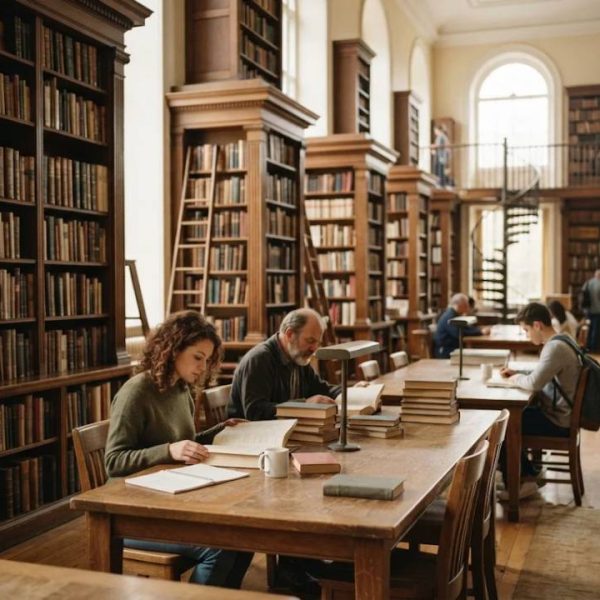
Public libraries remain one of the most useful free services in any town. They lend books, offer quiet places to study, run community events, provide computers and internet access, and employ staff who can help with almost any question. Knowing how to find a library near you, how to join, and how to use its digital collections can save money and open up a surprising number of opportunities for readers of every age.
How to Find a Library Near You
Start with the website of your local council, which usually lists every branch, its opening hours and its facilities. Mobile maps also show nearby libraries with reviews and photos. Many national library networks provide a search tool where you can enter a postcode and see the closest branches in seconds.
Check the details before you travel. Smaller branches may have limited hours, some open only on certain days, and a few have shared spaces with community centers or schools. A quick call can save a wasted trip.
Joining Is Usually Free and Simple
Most libraries ask for a proof of address and a form of identification, and some let you register online first and collect the card later. Children can often join with a parent or guardian, and visitors or students may be able to get temporary access.
Your library card is a key to far more than printed books, because it often unlocks e-books, audiobooks, magazines, language courses and research databases that you can use from home.
Discovering Popular Books
Libraries publish lists of the most borrowed titles, new arrivals and staff recommendations. Reading groups, display tables and online catalogs make it easy to browse by genre and find something new without spending a penny.
If a popular book is out, place a reservation. Many catalogs show how many copies are available and the estimated waiting time, and some will notify you by email as soon as your turn arrives.
Digital Lending and Online Resources
E-book and audiobook apps connected to your library card let you borrow titles without leaving your sofa. Loans expire automatically, so there are no late fees, and many services let you send books directly to your e-reader.
Libraries also subscribe to newspapers, encyclopedias, genealogy sites, learning platforms and academic journals that would be costly to buy individually. Ask a librarian which ones your card gives access to.
Libraries for Programmers and Learners
Technical readers use libraries to borrow books on software, data and design, and many branches offer free access to online courses and practice platforms. Quiet desks and reliable Wi-Fi make them popular places for study sessions and coding practice.
Some libraries run coding clubs, workshops for teenagers and help sessions for adults who want to learn digital skills. Check the events calendar to see what is planned each month.
Services Beyond Books
Modern libraries host children story times, job clubs, language cafes, homework help, author talks and exhibitions. Many offer printing, scanning, meeting rooms and tools such as 3D printers or sewing machines for community use.
Staff can also help with forms, local history searches and basic computer questions. These services make libraries welcoming places for people at every stage of life.
Supporting Multilingual Communities
Library collections increasingly include books and learning materials in many languages. Residents who speak Bulgarian, Romanian or other languages can often find newspapers, children books and language courses, and staff may help with forms or information leaflets.
Families who need documents for school or work may look for english to bulgarian translation services, while those who read in Romanian can read our guide on english to romanian translation to understand how professional translators work.
Making the Most of Your Visit
Bring your card, a bag for books and a list of titles or topics you want to explore. Ask staff for recommendations, because librarians know the collection and often suggest authors you would never have found on your own.
Take time to browse. Walking along a shelf can lead to unexpected discoveries that no algorithm would show you.
Tips for Parents and Children
Reading aloud for twenty minutes a day builds vocabulary and curiosity. Let children choose their own books, and visit the library regularly so borrowing becomes a habit. Summer reading challenges motivate young readers and keep them learning during school holidays.
Teach children to care for borrowed items, return them on time and enjoy the quiet atmosphere. These small lessons build responsibility.
Keeping Track of Loans and Fees
Set reminders for due dates and use the online account to renew items. Most libraries allow several renewals unless another reader has reserved the book. Overdue fines are small or have been abolished in many places.
If you lose or damage an item, tell the library straight away. Staff would rather hear from you early than discover the problem later.
How Libraries Support Communities
Libraries provide a safe, free space where people from every background can meet, learn and connect. They help job seekers write resumes, give newcomers a place to practice a language and offer a warm space during cold weather.
The Libraries Connected network shows how libraries across the country work together on reading, wellbeing and learning, and it publishes news that helps users and supporters keep up with developments.
How to Support Your Local Library
Visit often, borrow books, attend events and take part in consultations about opening hours. Join a friends group, volunteer for a reading program or donate unwanted books in good condition.
Usage statistics influence funding decisions, so every visit and every loan helps the case for keeping branches open.
Choosing Between Libraries and Buying Books
Libraries are ideal for books you will read once, for expensive reference works and for trying new authors. Buying makes sense for favorites you want to reread or annotate. Combining both gives you a flexible, affordable reading life.
Many readers keep a wish list and borrow titles first. If they love a book, they buy a copy later.
Final Thoughts
A public library is more than a building with shelves. It is a free classroom, a community hub and a gateway to information. Find your closest branch, join today and explore what it offers.
The more you use it, the more value you will discover.
Local History and Special Collections
Many libraries keep archives of local newspapers, maps, photographs and family records. Researchers use them to trace ancestors, study neighborhoods and write community histories. Ask staff how to search the catalog and whether items must be reserved in advance.
Handle fragile material carefully and follow the rules for copying and photography.
Library Apps, Catalogs and Smart Searching
Use the online catalog to search by title, author, subject and format. Filters narrow results by availability and branch. Many libraries have apps for renewing loans, scanning barcodes and receiving reminders.
Save lists of books you want to read so you can reserve them in one session.
Quiet Study, Remote Work and Meeting Rooms
Libraries offer a calm environment for students and remote workers. Check whether desks, power sockets and Wi-Fi are available, and ask about rules for noise and booking rooms.
A regular spot at your local branch can improve concentration and reduce loneliness.